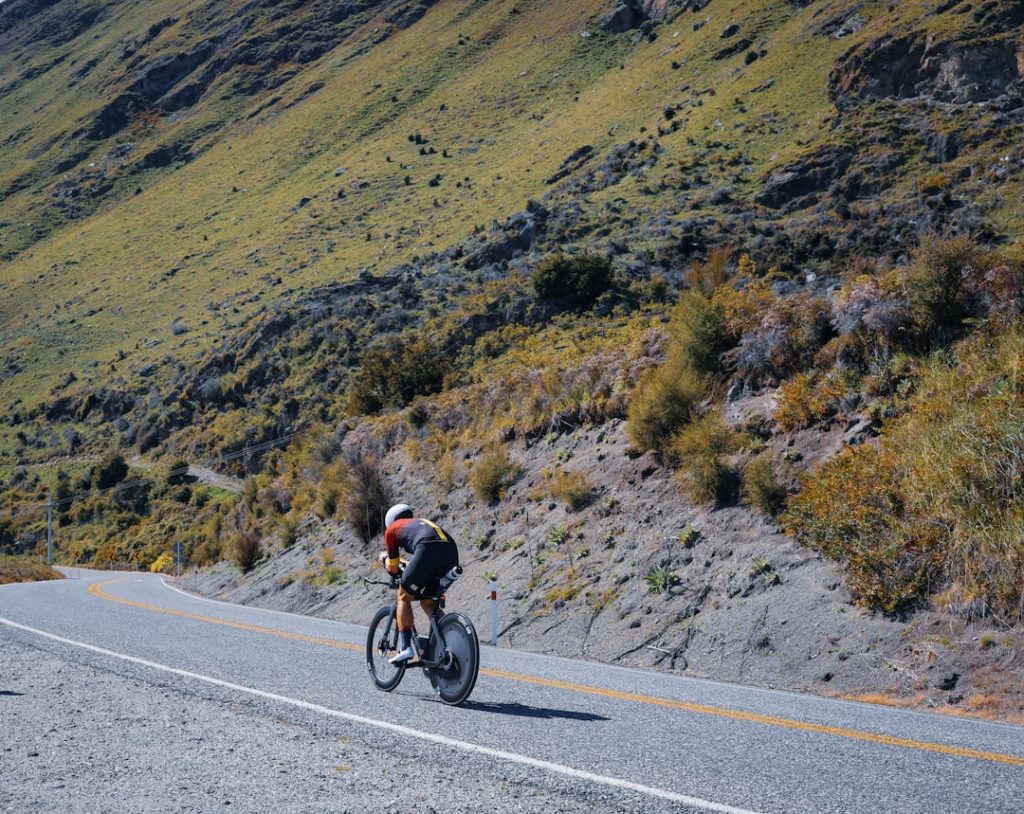
Photo by Leon Seibert on Unsplash

A tragic incident in Salem, Oregon has shaken the e-bike community once again. A 67-year-old e-bike rider died after crashing into a car, according to a report from KGW. The crash is a painful reminder that as e-bikes continue to grow in popularity across the U.S., safety has to remain the top priority for every single rider.
I’m not writing this to scare anyone away from e-bikes. Honestly, I love them. I ride one almost every day. But stories like this one hit close to home, and I think we owe it to ourselves and our riding community to talk openly about what went wrong, what we can learn, and how we can all be safer out there.
What Happened in Salem
Details are still emerging, but here’s what we know so far. A 67-year-old man was riding an electric bike in Salem, Oregon when he collided with a car. The rider was transported to a local hospital but did not survive his injuries. Salem police are investigating the crash, and it’s not yet clear whether speed, visibility, road conditions, or other factors played a role.
Salem sits in the Willamette Valley, where cycling infrastructure has been improving but still has plenty of gaps. If you’ve ever ridden through that area, you know there are stretches where bike lanes just disappear, forcing riders to share lanes with cars doing 35 to 45 mph. That kind of environment is exactly where things can go wrong fast, especially on an e-bike that might be traveling at 20 to 28 mph.
This crash is part of a broader, troubling trend. E-bike fatalities have been climbing steadily over the past few years as ridership has exploded. The Consumer Product Safety Commission reported a significant increase in e-bike related injuries and deaths between 2020 and 2024, and 2025 and 2026 numbers don’t appear to be slowing down.
Why E-Bike Accidents Are Increasing
So here’s the deal. E-bikes are faster than traditional bicycles, and that speed difference is a big factor in crash severity. A Class 1 e-bike tops out at 20 mph with pedal assist. A Class 3 can hit 28 mph. That’s significantly faster than the 12 to 15 mph most casual cyclists ride on a regular bike.
The problem isn’t just speed, though. It’s the combination of several factors:
- Heavier bikes: Most e-bikes weigh 50 to 70 pounds, which means longer stopping distances and harder handling in emergencies.
- New riders: Many e-bike buyers are people who haven’t ridden a bike in years (or decades). They’re not used to traffic, road awareness, or handling a heavy bike at speed.
- Older demographics: E-bikes are incredibly popular with riders over 55 because the motor assist makes cycling accessible again. But older riders are also more vulnerable to serious injury in a crash.
- Infrastructure gaps: Most U.S. cities still lack protected bike lanes. Riders are mixing with car traffic on roads that weren’t designed for bikes.
If you’re curious about the mechanics behind these machines and why they ride differently than traditional bikes, our breakdown on how electric bikes work covers the motor systems, pedal assist levels, and throttle modes that every rider should understand.
E-Bike Safety Gear That Can Save Your Life
I’m going to be blunt. If you’re riding an e-bike without a helmet, you’re taking an unnecessary risk. Period. And not just any helmet. At e-bike speeds, you want something rated for higher impacts.
Helmets
A standard bicycle helmet is rated for impacts at about 14 mph. If you’re riding a Class 3 e-bike at 28 mph, that helmet might not be enough. Look for helmets with MIPS (Multi-directional Impact Protection System) or helmets specifically designed for e-bike speeds. Some are even rated closer to motorcycle standards.
Here are a few solid options:
- Giro Caden II MIPS Helmet (around $90 to $120): Great urban e-bike helmet with MIPS protection and solid ventilation.
- Thousand Chapter MIPS Helmet (around $100): Stylish, comfortable, and actually protective. A favorite among commuters.
- Lumos Ultra MIPS Helmet (around $150): Built-in front and rear lights plus MIPS. Visibility and protection in one package.
Lights and Visibility
Being seen is half the battle. Even during the day, running lights dramatically reduce your chances of being hit. Studies have shown that daytime running lights can reduce car-bike collisions by up to 33%.
- Cygolite Metro Pro 1100 Front Light (around $60): Bright enough to be seen in broad daylight and lights up dark streets at night.
- Garmin Varia RTL515 Radar Tail Light (around $200): This thing alerts you to cars approaching from behind. It sounds like overkill until the first time it warns you about a car you didn’t hear coming.
For more ideas on staying visible and looking good while doing it, check out our guide to e-bike fashion and accessories.
Mirrors and Other Essentials
A simple bar-end or helmet-mounted mirror can make a huge difference in your awareness. You shouldn’t have to turn your head completely around to know what’s behind you, especially on a heavy e-bike where turning your head can shift your balance.
- Hafny Bar End Bike Mirror (around $20): Clear, adjustable, and actually stays in place.
Essential Safety Comparison: E-Bike Gear
| Gear | Price Range | Why It Matters | Best For |
|---|---|---|---|
| MIPS Helmet | $80 to $200 | Reduces rotational brain injuries | All riders |
| Daytime Running Light (Front) | $30 to $80 | Makes you visible to drivers | Commuters, road riders |
| Radar Tail Light | $100 to $200 | Alerts you to approaching cars | Road riders, high-traffic areas |
| Bar-End Mirror | $15 to $30 | Rear awareness without turning | Urban riders, older riders |
| High-Vis Vest or Jacket | $20 to $60 | Maximum visibility in low light | Dawn/dusk riders, winter commuters |
| Cycling Gloves | $15 to $40 | Grip, comfort, and palm protection in falls | All riders |
Riding Tips That Actually Matter
Gear is important, but behavior on the road matters even more. I’ve been riding in traffic for years, and these are the habits that I genuinely believe keep me alive.
Ride Predictably
Don’t weave between parked cars. Don’t suddenly dart across lanes. Signal your turns. Drivers can only avoid you if they can predict what you’re going to do next.
Assume You’re Invisible
This is the single best piece of advice I ever got from an older cyclist. Ride as if no driver can see you. Make eye contact at intersections before proceeding. Don’t assume a car will stop just because you have the right of way.
Manage Your Speed
Just because your e-bike can do 28 mph doesn’t mean you should always be at 28 mph. On residential streets, near intersections, and in areas with poor visibility, dial it back. The stopping distance at 28 mph on a 60-pound e-bike is significantly longer than you might think.
Take a Safety Course
The League of American Bicyclists offers Smart Cycling courses in many U.S. cities. If you’re new to riding or returning after a long break, these are worth your time. Some local bike shops offer free group rides that focus on traffic skills too.
Know Your E-Bike’s Class
This matters for both legal and safety reasons. Class 1 e-bikes provide pedal assist up to 20 mph. Class 2 adds a throttle but still caps at 20 mph. Class 3 provides pedal assist up to 28 mph. Different states and cities have different rules about where each class can ride. In Oregon, where this crash occurred, Class 1 and 2 e-bikes are allowed on bike paths, but Class 3 bikes are generally restricted to roads.
The Bigger Picture: E-Bike Safety in 2026
Let me be clear about something. E-bikes are overwhelmingly a positive development. They get people out of cars. They make cycling accessible to older adults, people with joint issues, and folks who live in hilly areas. The health benefits of electric bikes are well documented, from cardiovascular fitness to mental health improvements.
But the infrastructure in most American cities hasn’t caught up with the e-bike boom. We’re asking riders on 28 mph electric bikes to share roads with 4,000-pound SUVs, often without any protected lane or buffer. That’s a systemic problem that no amount of personal safety gear can fully solve.
Some cities are getting it right. Portland (just up I-5 from Salem) has invested heavily in protected bike lanes. Cities like Boulder, Austin, and Minneapolis are building networks that separate bikes from cars. But most of the country is still decades behind.
In the meantime, the responsibility falls on us as riders to protect ourselves. And it falls on drivers to pay attention, slow down, and share the road.
What to Do If You Witness or Are Involved in a Cycling Crash
Nobody wants to think about this, but being prepared matters.
- Call 911 immediately. Even if injuries seem minor, internal injuries can be hidden.
- Don’t move an injured rider unless they’re in immediate danger (like lying in a traffic lane).
- Document everything. Take photos of the scene, vehicles, road conditions, and any visible injuries.
- Get witness contact information. This is critical for insurance claims and potential legal proceedings.
- File a police report. Even for minor incidents, a report creates an official record.
- See a doctor within 24 hours. Adrenaline can mask serious injuries. Always get checked out.
If you ride regularly, consider carrying an ID card with emergency contact information and any relevant medical details. Some riders use Road ID bracelets or similar products.
- Road ID Wrist Band (around $20 to $30): Simple, durable, and could save your life if you’re unable to communicate after a crash.
The Bottom Line
The death of a 67-year-old e-bike rider in Salem is a tragedy, and my heart goes out to his family and friends. It’s also a wake-up call for every one of us who rides.
E-bikes are fantastic machines. They’re fun, practical, and genuinely good for our health and the environment. But they demand respect. They’re heavier and faster than traditional bikes, and they put us in traffic situations that require real awareness and preparation.
Wear a MIPS-rated helmet. Run lights day and night. Use a mirror. Ride predictably. Manage your speed. And advocate for better cycling infrastructure in your community. None of this guarantees safety, but it dramatically improves your odds.
Stay safe out there, friends. I mean that.
Frequently Asked Questions
Are e-bikes more dangerous than regular bikes?
E-bikes carry higher risk primarily because of increased speed and heavier weight, which lead to longer stopping distances and more severe impacts in a crash. However, with proper safety gear and smart riding habits, e-bikes can be ridden safely by riders of all ages.
Do you have to wear a helmet on an e-bike in Oregon?
Oregon requires helmet use for all cyclists under 16, but there is no statewide helmet law for adults on e-bikes. That said, wearing a MIPS-rated helmet is strongly recommended regardless of legal requirements, especially at e-bike speeds.
What is the safest type of e-bike for older riders?
Step-through frame e-bikes in Class 1 (pedal assist up to 20 mph) are generally considered safest for older riders. The low frame makes mounting and dismounting easier, and the 20 mph speed cap is more manageable than Class 3 bikes.
How fast can e-bikes go in the US?
Class 1 and Class 2 e-bikes are limited to 20 mph. Class 3 e-bikes can reach 28 mph with pedal assist. Some modified or unclassified e-bikes can go faster, but they may not be street legal in many states.
What should I do if a car hits me while I’m on my e-bike?
Call 911 immediately, document the scene with photos, get witness information, and file a police report. See a doctor within 24 hours even if you feel fine, as adrenaline can mask serious injuries.
Do e-bike lights really make a difference during the day?
Yes. Studies show that daytime running lights can reduce the risk of car-bike collisions by up to 33%. A bright front light and a flashing rear light make you significantly more visible to drivers, even in full daylight.