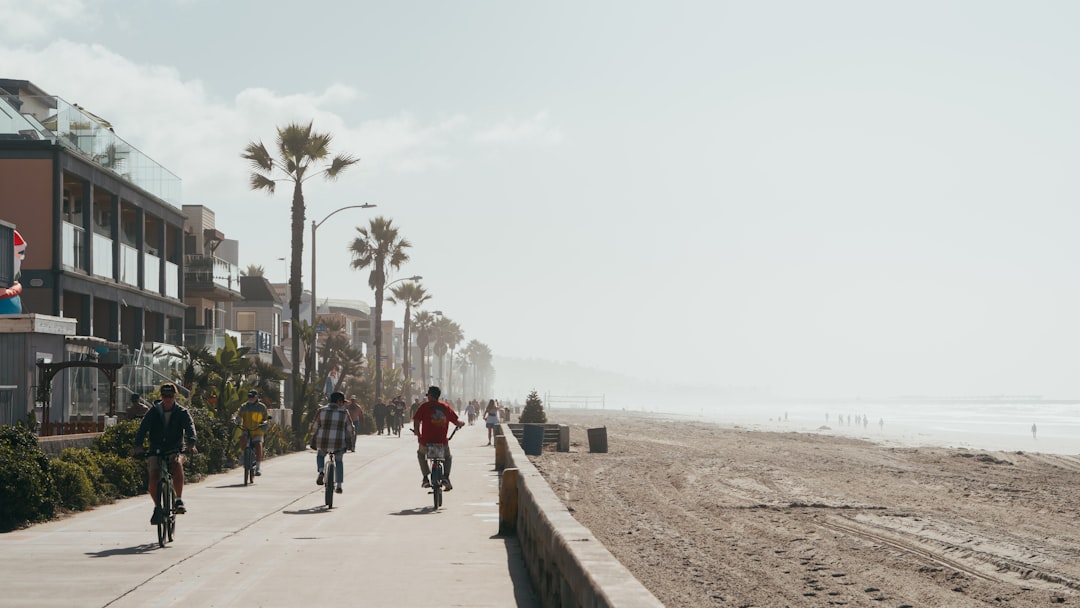
San Diego is making headlines this April as local authorities ramp up enforcement against e-bikes on popular beach boardwalks during spring break. The San Diego boardwalk e-bike crackdown comes after years of growing tension between riders, pedestrians, and beachgoers, and this spring break season, officials have made it clear they’re not messing around. If you ride an e-bike anywhere near the coast in San Diego, you need to pay attention.
I’ve ridden the Mission Beach boardwalk and the Pacific Beach path more times than I can count. They’re gorgeous stretches of pavement with ocean views that make you forget you’re on a bike and not floating. But I’ve also seen the chaos firsthand, especially on warm weekends. Teenagers blasting through crowds at 25 mph on throttle-powered e-bikes. Families dodging riders who clearly have no idea how to handle a 60-pound machine. It was only a matter of time before something like this happened.
What’s Actually Happening in San Diego
According to reporting from FOX 5 San Diego, local police and park rangers have significantly increased their presence on Mission Beach, Pacific Beach, and Ocean Beach boardwalks this spring break season. The crackdown specifically targets e-bike riders who violate existing rules, including speed limits, riding in pedestrian-only zones, and operating Class 2 (throttle-equipped) and Class 3 (speed pedal-assist up to 28 mph) e-bikes on paths where they’re already prohibited.
Officers are issuing citations that can run anywhere from $100 to over $500 depending on the violation. In some cases, bikes are being confiscated on the spot. The enforcement push coincides with the massive influx of spring break visitors flooding San Diego’s beaches in late March and early April 2026.
San Diego’s municipal code has restricted motorized vehicles (including certain classes of e-bikes) on boardwalks for a while now. But enforcement has been spotty at best. This year, the city appears to have drawn a line in the sand. Literally.
Which Boardwalks Are Affected
The primary enforcement zones include:
- Mission Beach Boardwalk (from South Mission Beach to Belmont Park)
- Pacific Beach Boardwalk (Crystal Pier area and north)
- Ocean Beach (along the main promenade near the pier)
- La Jolla Shores boardwalk area
If you’re planning a coastal ride in San Diego, you need to know exactly which class of e-bike you’re riding and where it’s allowed. If you’re curious about the basics, check out our breakdown of how electric bikes work to understand the differences between Class 1, 2, and 3.
Why This Crackdown Is Happening Now
This didn’t come out of nowhere. San Diego has seen a sharp rise in e-bike related injuries on its boardwalks over the past two years. Local hospitals reported a noticeable spike in collisions involving e-bikes and pedestrians during the 2025 spring break season. Several of those incidents involved minors riding high-powered e-bikes without helmets.
The numbers tell a pretty clear story. E-bike sales in the US have exploded, and Southern California is ground zero for that growth. More bikes on the same narrow boardwalks, mixed with tourists who aren’t watching where they’re walking, creates a recipe for disaster. Add spring break energy to the mix and you’ve got a real problem.
San Diego City Council members have been vocal about the issue since late 2025. Some have pushed for outright bans on all e-bikes on boardwalks, while others favor a more balanced approach that allows Class 1 pedal-assist bikes (capped at 20 mph with no throttle) while banning Class 2 and Class 3 models.
Honestly, I get both sides of this. As someone who rides e-bikes regularly and genuinely loves the health benefits of electric bikes, it’s frustrating to see irresponsible riders ruin it for everyone. But blanket bans feel like an overreaction.
Understanding E-Bike Classes and Why They Matter Here
If you’re reading this and thinking, “Wait, there are different classes of e-bikes?” you’re not alone. A lot of casual riders don’t realize their bike’s classification determines where they can legally ride. Here’s the quick breakdown for US riders:
| Class | Assist Type | Max Speed | Throttle | Boardwalk Legal (San Diego) |
|---|---|---|---|---|
| Class 1 | Pedal-assist only | 20 mph | No | Varies by location |
| Class 2 | Pedal-assist + throttle | 20 mph | Yes | Generally NO |
| Class 3 | Pedal-assist only | 28 mph | No | NO |
The key distinction for San Diego’s boardwalks is the throttle. Class 2 e-bikes, which let you ride without pedaling at all, are the primary target of this crackdown. Class 3 bikes are also banned from most multi-use paths in California due to their higher speed capability.
Class 1 e-bikes are generally still allowed on many bike paths in California, but individual cities and parks can set their own restrictions. San Diego’s boardwalks have their own rules, and during high-traffic periods like spring break, even Class 1 riders should expect extra scrutiny.
If you’re shopping for a boardwalk-friendly e-bike, look for a reliable Class 1 model. The Aventon Soltera is a solid option that keeps things simple with pedal-assist only. For something more budget-friendly, the Lectric XP Lite is worth a look, though double-check the current model’s classification before hitting any boardwalk.
What This Means for E-Bike Riders Visiting San Diego
So here’s the deal. If you’re planning a trip to San Diego this spring (or any time this summer, because these enforcement patterns tend to stick around), here’s what you need to know:
Ride Smart, Not Fast
Keep your speed under 8 mph on any boardwalk where bikes are still permitted. That’s the typical posted limit, and officers are actively using radar to check. Yes, really. I’ve seen it myself on Mission Beach.
Know Your Bike’s Class
Check the label on your e-bike’s frame. Every e-bike sold in the US should have a sticker indicating its class. If you’re renting, ask the rental shop which class the bike is. Some rental companies in the Pacific Beach area have already pulled their Class 2 bikes from the fleet.
Wear a Helmet
California law requires riders under 18 to wear a helmet on any e-bike. But honestly, everyone should be wearing one regardless of age. A good bike helmet costs $40 to $80 and could save your life. No excuses.
Use the Street When Possible
Many of San Diego’s beach communities have bike lanes on the parallel streets. Mission Boulevard, for example, runs alongside the Mission Beach boardwalk and is a much better option for e-bike riders who want to cruise at a normal speed. You still get the ocean vibe without the pedestrian obstacle course.
The Bigger Picture: E-Bike Regulation Across the US
San Diego isn’t alone in grappling with this. Cities across the country are trying to figure out how to handle the e-bike boom. New York City has its own complex set of rules. Huntington Beach banned e-bikes on its boardwalk in 2023. Even quieter beach towns on the East Coast are starting to post new signage.
The pattern is pretty consistent. E-bikes get popular, incidents happen, local government reacts with restrictions. It’s a cycle (pun intended) that’s playing out everywhere, and it’s one reason I think responsible e-bike riders need to be part of the conversation rather than just complaining about enforcement after the fact.
If you’re someone who loves riding in scenic coastal areas, San Diego is still one of the top e-bike destinations in the USA. You just need to be aware of the rules and ride accordingly. The Bayshore Bikeway, for instance, is a 24-mile loop around San Diego Bay that’s fully open to e-bikes and offers stunning views without the boardwalk drama.
For riders who want to stay safe and visible on any path, I’d recommend investing in a solid bike light set. Even during daytime rides, a flashing front light makes you way more visible to distracted pedestrians.
How to Stay on the Right Side of the Law
I don’t want this article to scare anyone away from riding in San Diego. It’s still an incredible place to bike. But a little preparation goes a long way.
Here’s my personal checklist before any boardwalk ride:
- Verify your e-bike’s class and make sure it’s allowed on the specific path you’re riding.
- Check local signage at every boardwalk entrance. Rules can vary block by block.
- Slow down near crowds. If you can’t safely pass someone with at least three feet of clearance, wait.
- Use a bell or horn. A simple bike bell is cheap, effective, and way more polite than yelling “on your left” at tourists.
- Lock up properly if you’re stopping at the beach. E-bike theft in San Diego is very real. A quality U-lock is a must.
- Don’t ride on the sand. This should be obvious, but I’ve seen it happen more than once.
The goal here isn’t to punish riders. It’s to keep everyone safe on paths that were originally designed for foot traffic and casual cruising, not 50-pound e-bikes doing 25 mph.
My Take: Where Do We Go From Here
Look, I’m an e-bike enthusiast. I believe these machines are genuinely good for transportation, fitness, and the environment. But I also believe that with faster, heavier bikes comes greater responsibility. And too many riders, especially younger ones who got e-bikes as gifts and have zero cycling experience, are treating boardwalks like racetracks.
The San Diego boardwalk e-bike crackdown is a wake-up call. Not just for San Diego riders, but for the entire e-bike community. If we want to keep access to beautiful coastal paths, parks, and trails, we have to police ourselves before the government does it for us. That means riding at appropriate speeds, yielding to pedestrians, and calling out reckless behavior when we see it.
I’d love to see more cities invest in dedicated e-bike infrastructure rather than just banning bikes from existing paths. Separated bike lanes, wider boardwalks with designated cycling zones, and better signage would all help. But those solutions cost money and take time. In the meantime, enforcement is the tool cities have, and they’re using it.
The Bottom Line
The San Diego boardwalk e-bike crackdown during spring break 2026 is a significant moment for e-bike riders in Southern California and beyond. Fines are real, confiscations are happening, and the days of casually blasting down Mission Beach on a throttle bike are effectively over.
But this doesn’t mean e-biking in San Diego is dead. Far from it. The city has miles and miles of incredible bike infrastructure that’s fully open to e-bikes. The key is knowing the rules, respecting other path users, and choosing the right bike for the right setting.
If you’re heading to San Diego this spring or summer, do your homework before you ride. Check your bike’s class, stick to legal paths, and keep your speed in check. You’ll have a much better time, and you won’t end up with a $500 citation ruining your vacation.
Frequently Asked Questions
Are e-bikes banned on San Diego boardwalks?
Class 2 (throttle) and Class 3 e-bikes are generally prohibited on San Diego’s beach boardwalks. Class 1 pedal-assist bikes may still be allowed on some paths, but rules vary by location. Always check posted signage before riding.
What happens if you get caught riding an e-bike on the boardwalk in San Diego?
You can receive a citation ranging from $100 to over $500 depending on the violation. In some cases, officers may confiscate your e-bike on the spot, especially for repeat offenders or reckless riding.
Where can you legally ride an e-bike in San Diego?
San Diego has extensive bike lanes on city streets, the 24-mile Bayshore Bikeway, and numerous multi-use paths that allow e-bikes. Mission Boulevard, which runs parallel to the Mission Beach boardwalk, is a great alternative with bike-friendly lanes.
What is the speed limit for bikes on San Diego boardwalks?
The typical posted speed limit on San Diego beach boardwalks is 8 mph. During spring break and other high-traffic periods, enforcement of this limit is significantly increased.
Can you rent e-bikes near San Diego beaches?
Yes, several rental shops operate near Mission Beach, Pacific Beach, and other coastal areas. However, some shops have stopped renting Class 2 throttle bikes due to the crackdown. Ask about the bike’s classification before renting.
Do you need a license to ride an e-bike in California?
No, you do not need a driver’s license, registration, or insurance to ride a Class 1, 2, or 3 e-bike in California. However, riders under 16 cannot operate Class 3 e-bikes, and riders under 18 must wear a helmet on any e-bike.