A disturbing incident out of Ventura, California has the electric bike community talking. In early 2026, a motorcyclist was attacked by a large group of bicyclists and e-bike riders, leading to the arrest of a juvenile suspect. The story, reported by CBS News, raises some serious questions about road safety, rider behavior, and what the growing popularity of electric bike culture means for all of us who share the road.
I want to be upfront here. This article isn’t about defending bad behavior. What happened in Ventura was wrong, full stop. But as someone who rides daily and genuinely loves this community, I think it’s worth having an honest conversation about safety, responsibility, and the gear that can protect you out there, whether you’re on an e-bike, a traditional bicycle, or a motorcycle.
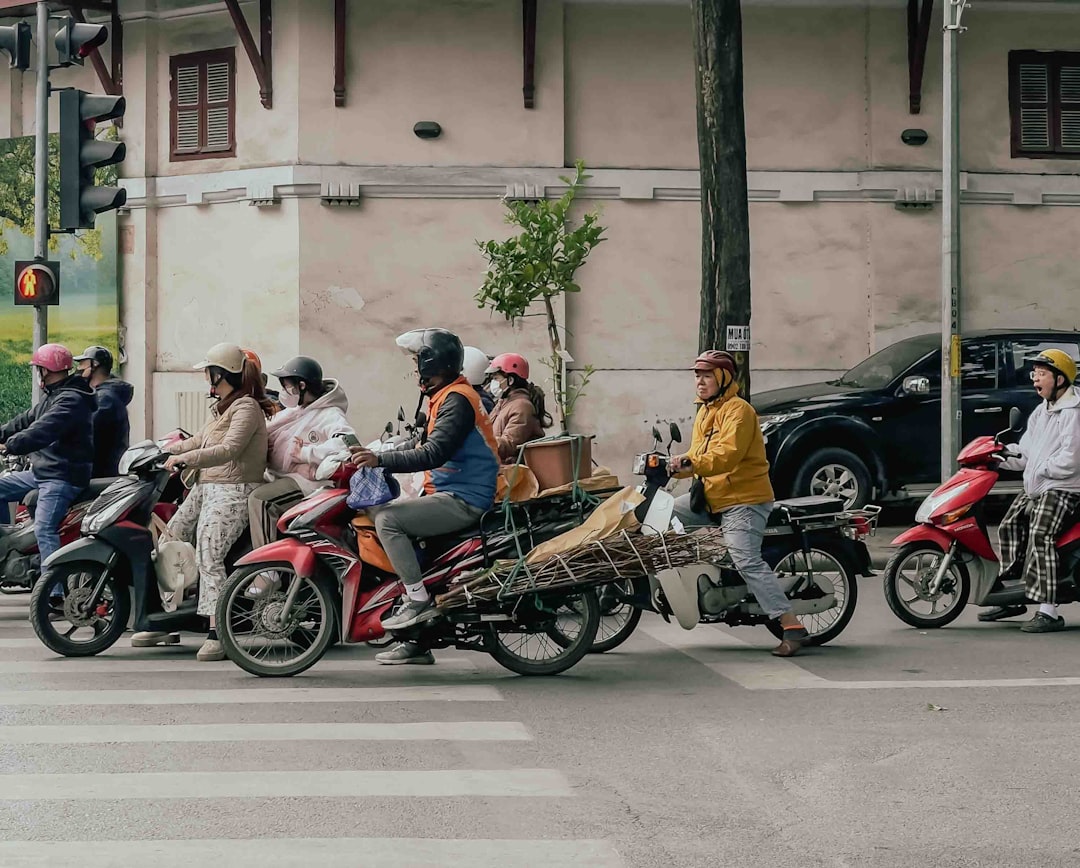
Photo by Bernd 📷 Dittrich on Unsplash

What Happened in Ventura
According to CBS News, a motorcyclist in Ventura was surrounded and attacked by a large group that included both traditional cyclists and electric bike riders. The incident led to at least one juvenile arrest, and the Ventura Police Department has been investigating additional suspects.
This isn’t the first time we’ve seen reports of large group rides turning aggressive. Similar incidents have popped up in cities across the US, from Los Angeles to New York. The common thread? Large, loosely organized group rides where accountability gets lost in the crowd. It’s a pattern that honestly frustrates me as a cyclist because it paints all of us in a bad light.
The Ventura case is particularly concerning because it involved e-bikes, which can reach speeds of 20 to 28 mph depending on the class. A Class 1 electric bike tops out at 20 mph with pedal assist only. Class 2 adds a throttle at the same speed. Class 3 bumps things up to 28 mph with pedal assist. At those speeds, group dynamics can get dangerous fast. If you’re curious about the mechanics behind these classifications, our guide on how electric bikes work breaks it all down.
Why This Matters for the E-Bike Community
Photo by Munbaik Cycling Clothing on Unsplash

Let’s be real. The electric bike industry is booming. Sales continue to climb in 2026, and more people are commuting, running errands, and just having fun on e-bikes than ever before. Even celebrities have jumped on the trend, which has only accelerated mainstream adoption.
But with growth comes growing pains. Incidents like the Ventura attack give ammunition to people who want stricter regulations on e-bikes. Some cities are already considering bans on certain e-bike classes in parks and on bike paths. Every time something like this makes the news, it gets harder for advocates to push for better cycling infrastructure and more reasonable e-bike laws.
The best thing we can do as a community is ride responsibly, follow traffic laws, and make sure we’re visible and protected. That last part is where the right gear comes in.
Essential Safety Gear for Electric Bike Riders
Whether you’re commuting through downtown traffic or joining a group ride on the weekend, having the right safety equipment isn’t optional. It’s essential. Here’s what I recommend based on years of riding and testing gear.
Helmets
This is non-negotiable. For Class 3 e-bike riders hitting 28 mph, you want a helmet that’s rated for higher speeds. A standard bicycle helmet is designed for impacts around 12 to 14 mph. That’s not enough. Look for MIPS technology and dual-density foam construction. The Giro Switchblade MIPS is my go-to recommendation for e-bike riders who want full-face protection without looking like they’re heading to a motocross race.
Lights and Visibility
A solid front and rear light setup is critical, especially for commuters. I’ve been running the Cygolite Metro Pro 1100 for about six months now, and the beam pattern is excellent for urban riding. Pair it with a good rear blinker and you’re set.
Mirrors and Cameras
After incidents like the Ventura attack, more riders are adding bike cameras to their setup. A dashcam-style device can provide crucial evidence if something goes wrong. The Varia RCT715 by Garmin combines a radar tail light with a built-in camera. It’s pricey, but honestly, it’s one of the smartest investments you can make.
Our Top Safety Gear Picks for 2026
Photo by Joseph R. on Unsplash

I’ve tested or thoroughly researched every product on this list. Here’s a comparison of the gear I’d recommend to any electric bike rider right now.
| Product | Category | Price Range | Best For | Link |
|---|---|---|---|---|
| Giro Switchblade MIPS | Helmet | $200-$250 | Class 3 e-bike riders | Check Price |
| Thousand Chapter MIPS | Helmet | $90-$120 | Urban commuters | Check Price |
| Cygolite Metro Pro 1100 | Front Light | $60-$80 | Nighttime commuting | Check Price |
| Garmin Varia RCT715 | Camera/Radar | $300-$400 | Evidence and awareness | Check Price |
| Kryptonite New York Fahgettaboudit | Lock | $90-$130 | High-theft areas | Check Price |
| Fox Racing Ranger Gel Gloves | Gloves | $30-$40 | Comfort and grip | Check Price |
| Proviz Reflect360 Jacket | Visibility | $100-$150 | Night riding | Check Price |
| POC Joint VPD Knee Pads | Protection | $80-$100 | Trail and group rides | Check Price |
Our Top Pick: Garmin Varia RCT715
If I had to pick one piece of gear that’s most relevant to the conversation around incidents like the Ventura attack, it’s the Garmin Varia RCT715. This thing combines a rear-facing camera with radar that alerts you to approaching vehicles (or riders) from behind. The footage is clear enough to use as evidence, and the radar integration with Garmin cycling computers is seamless. Yes, $300 to $400 is steep. But think of it as insurance. If you’re ever in a situation where you need to prove what happened, this device pays for itself instantly.
Detailed Mini-Reviews
Giro Switchblade MIPS Helmet
The Switchblade gives you the option to ride with a full chin bar or remove it for a more traditional half-shell look. The MIPS liner adds rotational impact protection, which is huge for e-bike speeds. Ventilation is decent, though it runs a bit warm in peak summer. At around $200 to $250, it’s a serious helmet for serious riders.
Thousand Chapter MIPS Helmet
If you want something that looks more casual for city commuting, the Thousand Chapter is a great pick. It has a clean, minimalist design that doesn’t scream “cyclist,” which some commuters prefer. MIPS protection is included, and the magnetic buckle is genuinely clever. The trade-off is less ventilation compared to sportier helmets.
Cygolite Metro Pro 1100
I’ve been running this light on my commuter e-bike through some foggy coastal mornings (shoutout to anyone who rides the Pacific Coast bike paths in Southern California). The 1100-lumen output is plenty for seeing and being seen. Battery life runs about 2 hours on full blast, which is enough for most commutes. USB rechargeable, compact, and reliable.
Kryptonite New York Fahgettaboudit Lock
E-bikes are expensive, and thieves know it. This U-lock is about as tough as they come. It’s heavy (around 4.5 pounds), which is the main downside. But if you’re locking up a $2,000-plus electric bike in a city, you want something that laughs at bolt cutters. I keep one permanently mounted on my rear rack.
Fox Racing Ranger Gel Gloves
These are my everyday riding gloves. The gel padding takes the sting out of rough roads, and the touchscreen-compatible fingertips mean you don’t have to strip them off to check your phone at a stoplight. They run true to size and hold up well after months of use. At $30 to $40, they’re a no-brainer.
Proviz Reflect360 Jacket
This jacket is fully reflective, meaning it lights up like a Christmas tree when headlights hit it. For night riders and early-morning commuters, it’s one of the best visibility investments you can make. It’s not the most breathable jacket for hard efforts, but for casual e-bike commuting, it works perfectly.
POC Joint VPD Knee Pads
If you ride in group settings or on trails, knee pads are smart. The POC VPD pads are flexible enough to pedal comfortably but stiffen on impact. They’re slim enough to wear under pants if you want. Great for anyone who’s had a close call and decided protection beats looking cool.
Riding Responsibly in Groups
The Ventura incident is a reminder that group rides need structure. Here are a few common-sense rules that every group ride should follow:
- Obey traffic signals. Running reds as a pack doesn’t make it legal or safe.
- Keep group sizes manageable. Anything over 15 to 20 riders should split into smaller pods with gaps between them.
- Designate ride leaders. Someone needs to set the pace and call out hazards.
- Don’t engage with road rage. If a driver or another rider gets aggressive, de-escalate. Pull over. Let them pass.
- Carry ID and emergency contacts. This sounds basic, but you’d be surprised how many riders don’t.
If you’re looking for great places to ride responsibly in Southern California, check out our list of the top e-bike destinations in Los Angeles. There are some fantastic routes that are built for group riding without the chaos of sharing lanes with heavy traffic.
Where to Buy
All of the products I’ve recommended are available through major US retailers. Here’s where to look:
- Amazon has the widest selection and usually the best prices. Prime shipping makes it easy to get gear fast. All of my links above go directly to Amazon with current pricing.
- REI is great for trying gear on in person, especially helmets. Their return policy is generous, and the staff actually knows cycling.
- Dick’s Sporting Goods carries a decent selection of cycling accessories, particularly lights and locks.
- Trek stores are worth visiting if you’re also shopping for an e-bike itself. They carry quality accessories and can help with fitting.
I always recommend checking prices across a couple of retailers before pulling the trigger. Amazon tends to win on price, but REI’s member dividends and in-store expertise are hard to beat.
The Bottom Line
The Ventura attack is a troubling story, but it doesn’t define the electric bike community. Most of us are out here trying to get to work, stay fit, or just enjoy the ride. What we can control is how we ride and what we wear while doing it.
Investing in proper safety gear (a quality helmet, good lights, a camera system like the Garmin Varia RCT715) isn’t just about protecting yourself physically. It’s about being a responsible member of the cycling community. And honestly, if every e-bike rider out there took safety as seriously as they take finding the perfect route, we’d all be in a much better place.
Stay safe out there. Ride smart. And look out for each other.
Frequently Asked Questions
Are electric bikes dangerous in group rides?
Electric bikes aren’t inherently dangerous, but group rides can become unsafe without proper organization and leadership. The higher speeds of Class 2 and Class 3 e-bikes (up to 28 mph) mean riders need to be extra cautious about spacing, braking, and obeying traffic laws.
What safety gear do I need for a Class 3 e-bike?
At minimum, you need a MIPS-equipped helmet rated for speeds above 20 mph, front and rear lights, and gloves. A rear-facing camera or radar device like the Garmin Varia is also highly recommended for awareness and evidence in case of an incident.
Do I need a license to ride an electric bike in California?
No. California does not require a license, registration, or insurance for Class 1, 2, or 3 electric bikes. However, Class 3 e-bike riders must be at least 16 years old and are required to wear a helmet.
What is the best helmet for e-bike riders?
The Giro Switchblade MIPS is one of the best options for e-bike riders because it offers optional full-face protection and MIPS technology for rotational impact safety. For casual commuters, the Thousand Chapter MIPS is a more affordable and stylish alternative.
Can I use a bike camera as legal evidence?
Yes, bike camera footage is generally admissible as evidence in the US. Devices like the Garmin Varia RCT715 record continuously and can be invaluable for police reports and insurance claims after an incident.
How fast can electric bikes go legally in the US?
Class 1 and Class 2 electric bikes are limited to 20 mph. Class 3 e-bikes can reach 28 mph with pedal assist. Any e-bike that exceeds these limits may be classified as a motor vehicle and subject to different regulations.
{
“@context”: “https://schema.org”,
“@type”: “FAQPage”,
“mainEntity”: [
{
“@type”: “Question”,
“name”: “Are electric bikes dangerous in group rides?”,
“acceptedAnswer”: {
“@type”: “Answer”,
“text”: “Electric bikes aren’t inherently dangerous, but group rides can become unsafe without proper organization and leadership. The higher speeds of Class 2 and Class 3 e-bikes (up to 28 mph) mean riders need to be extra cautious about spacing, braking, and obeying traffic laws.”
}
},
{
“@type”: “Question”,
“name”: “What safety gear do I need for a Class 3 e-bike?”,
“acceptedAnswer”: {
“@type”: “Answer”,
“text”: “At minimum, you need a MIPS-equipped helmet rated for speeds above 20 mph, front and rear lights, and gloves. A rear-facing camera or radar device like the Garmin Varia is also highly recommended for awareness and evidence in case of an incident.”
}
},
{
“@type”: “Question”,
“name”: “Do I need a license to ride an electric bike in California?”,
“acceptedAnswer”: {
“@type”: “Answer”,
“text”: “No. California does not require a license, registration, or insurance for Class 1, 2, or 3 electric bikes. However, Class 3 e-bike riders must be at least 16 years old and are required to wear a helmet.”
}
},
{
“@type”: “Question”,
“name”: “What is the best helmet for e-bike riders?”,
“acceptedAnswer”: {
“@type”: “Answer”,
“text”: “The Giro Switchblade MIPS is one of the best options for e-bike riders because it offers optional full-face protection and MIPS technology for rotational impact safety. For casual commuters, the Thousand Chapter MIPS is a more affordable and stylish alternative.”
}
},
{
“@type”: “Question”,
“name”: “Can I use a bike camera as legal evidence?”,
“acceptedAnswer”: {
“@type”: “Answer”,
“text”: “Yes, bike camera footage is generally admissible as evidence in the US. Devices like the Garmin Varia RCT715 record continuously and can be invaluable for police reports and insurance claims after an incident.”
}
},
{
“@type”: “Question”,
“name”: “How fast can electric bikes go legally in the US?”,
“acceptedAnswer”: {
“@type”: “Answer”,
“text”: “Class 1 and Class 2 electric bikes are limited to 20 mph. Class 3 e-bikes can reach 28 mph with pedal assist. Any e-bike that exceeds these limits may be classified as a motor vehicle and subject to different regulations.”
}
}
]
}